If you’re wondering what does anti lock brake light mean, it usually means your vehicle has detected a fault in the anti-lock braking system, or ABS. Your standard brakes may still work, but ABS may not help prevent the wheels from locking during a hard stop. That can reduce your ability to steer while braking in an emergency.
An amber ABS light is different from a red brake warning light, which can point to a problem with the regular braking system. If the red light is on, braking feels unusual, or the vehicle is hard to control, pull over somewhere safe and get help. Check your owner’s manual for guidance specific to your vehicle.
This article explains what ABS does, common reasons its warning light comes on, and what steps to take next. You’ll also learn how diagnostic checks help identify the fault before repair recommendations are made. If the light stays on, professional diagnostics and brake repair can help determine what your vehicle needs.
Key Takeaways
- Understanding what does anti lock brake light mean helps you distinguish a fault in the ABS from a problem with the vehicle’s standard brakes.
- The warning light signals a detected issue, but it doesn’t identify the faulty part on its own.
- Assess how the brakes feel, check your owner’s manual, and stop safely if braking performance changes.
- Wheel-speed sensors, wiring, the ABS module, and low system voltage are among the possible causes a technician may investigate.
- ABS-specific diagnostics help locate the fault before repair recommendations are made.
What Does the Anti-Lock Brake Light Mean?
If you’re asking “what does anti lock brake light mean,” the short answer is that your vehicle has detected a possible problem with its anti-lock braking system, or ABS. The warning alone doesn’t prove that the regular brakes have failed. In many vehicles, standard braking remains available, but ABS may not help prevent wheel lockup during a hard stop. Check your owner’s manual for what the light means on your vehicle and how it should behave.
Pay attention to the color and symbol. The amber or yellow ABS indicator is separate from the red brake-system warning light. A red warning can signal a problem with the conventional braking system, such as low brake fluid, and calls for greater caution. If the red light appears, or the pedal feels unusual or braking changes, stop somewhere safe and consult your manual.
What the anti-lock braking system does
ABS uses wheel-speed sensors to monitor how quickly each wheel is turning. If a wheel is about to lock during hard braking, the system adjusts brake pressure to help it keep turning. This can help you maintain steering control while slowing down, especially during an emergency stop. The Anti-lock braking system overview explains the system’s main components, including sensors, valves, and the electronic control unit.
ABS is a safety aid, not a substitute for careful driving. Leave room to stop, adjust your speed for road conditions, and keep a safe following distance. The system can help during hard braking, but it can’t prevent every collision.
When the ABS light comes on normally
Many vehicles briefly illuminate the ABS indicator as part of a startup check. The expected sequence varies, so use your owner’s manual to confirm what’s normal for your vehicle. If the light stays on after the check or comes on while driving, the vehicle may have detected a fault. The light signals a concern with ABS, but it doesn’t identify the cause by itself.
A startup check briefly illuminates the light when you start the vehicle. A warning that stays on or appears while driving may indicate an ABS fault. A steady warning doesn’t automatically mean you’ve lost all braking, but the system may not provide anti-lock support when needed. Note whether the light goes out or remains illuminated, and follow your owner’s manual.
How ABS Works and What the Warning Light Reports
ABS relies on information from wheel sensors, electrical connections, and a control module that manages the system. During braking, the module compares wheel-speed signals and can adjust brake pressure if it detects a wheel is nearing lockup. The warning light reports that the vehicle’s checks have detected a problem in this system. It doesn’t name the failed part or confirm that a particular component needs replacement.
How wheel-speed sensors support ABS
Each wheel-speed sensor sends information about wheel rotation to the ABS control module. If a signal is missing, inconsistent, or outside the expected range, the module may be unable to manage anti-lock braking as intended. The signal issue could relate to a sensor, its wiring or connection, or another part of the system. A warning light alone isn’t enough to determine which one.
Depending on the vehicle, ABS also works alongside features such as traction or stability control. A fault may affect those features or bring on another dashboard indicator, but the response varies by make and model. For a general overview of warning-lamp guidance, see the Commercial Vehicle Safety Alliance’s information on how to check your ABS lamp. Your owner’s manual is the best guide to your vehicle’s indicators and braking features.
What happens when ABS detects a problem
When the system detects a fault, it may store information that helps a technician narrow down the affected circuit or condition. That information is a starting point for diagnosis, not proof that a sensor, module, valve, pump, or wiring component has failed. Further checks help determine whether the suspected circuit or part is actually at fault.
An ABS warning is a prompt to diagnose the system, not a parts list or a final diagnosis. The light tells you the vehicle has found a concern, while testing helps identify its source before repair recommendations are made. This distinction helps prevent replacing a part based on the warning alone.
So, what does anti lock brake light mean when it remains illuminated? It means the vehicle has detected an ABS-related fault, but the specific cause and effect on other safety features depend on the vehicle. If the light stays on, professional vehicle diagnostics can help narrow down the issue. On Top Diesel & Automotive provides vehicle diagnostic services and brake repair for passenger vehicles and trucks.
Common Reasons the ABS Light Stays On
If you’re asking “what does anti lock brake light mean” after the indicator stays on, it means the ABS has detected a concern, but the light doesn’t identify the faulty part. Several issues can produce a similar warning, so a suspected cause should be checked before any repair is recommended.
Possible sensor, wiring, or control-module faults
Wheel-speed sensors and their wiring are common areas to inspect. A sensor may send an inconsistent signal, or a damaged wire or loose connection may interrupt the signal reaching the ABS control module. That doesn’t automatically mean the sensor itself needs replacement. Road debris, corrosion, or damage near a wheel can also warrant a closer look.
Other possible contributors include low system voltage or a problem within the ABS control module. Low voltage can affect electrical systems, but it isn’t a diagnosis of the ABS fault. The module may store diagnostic information that helps narrow down the affected circuit. Testing is needed to distinguish between parts and conditions that can trigger similar symptoms.
Timing can offer a useful clue, but it doesn’t prove the cause. If the light appeared after brake or suspension work, or after a repair near a wheel, mention that during diagnosis. A technician can inspect the related wiring, connectors, and components. Dirt or contamination around a sensor may also merit inspection, depending on the vehicle and diagnostic results.
Brake-pad wear is a separate issue from an ABS warning. Worn pads may need attention during a brake inspection, but they shouldn’t be assumed to be the reason the ABS light is on unless an inspection links the two concerns.
ABS light versus the red brake warning light
The amber ABS indicator points to the anti-lock system. A red brake-system warning can signal a separate or more urgent concern with the regular brakes. If the red warning remains illuminated, or the brake pedal feels different or braking performance changes, pull over somewhere safe and consult your owner’s manual. If both warnings appear, treat the change in braking or the red warning as the more immediate concern and avoid continuing until it’s safe to do so.
Professional diagnostics help identify the cause before repair recommendations are made. On Top Diesel & Automotive’s ASE-certified technicians diagnose and repair passenger vehicles and trucks, including brake concerns.
What to Do If the Anti-Lock Brake Light Stays On
If the ABS light remains on, take a few calm, practical steps. The warning means you shouldn’t count on anti-lock support until the system has been checked. Your owner’s manual can explain what the indicator means for your vehicle, but changes in braking feel should guide your immediate response.
- Note the warning. Check whether the ABS light stays on, returns intermittently, or appears alongside another warning.
- Assess the brakes. Notice whether the pedal feels different, braking seems weaker, or the vehicle pulls or behaves unusually when stopping.
- Consult the owner’s manual. Follow its vehicle-specific guidance for the warning lights and braking system.
- Arrange diagnosis. If the ABS warning stays on and braking feels normal, drive cautiously to a repair appointment, allow extra room to stop, and avoid hard braking where possible.
Even if the vehicle seems to brake normally, don’t rely on ABS functionality until the warning has been diagnosed. The system may not provide anti-lock assistance during a hard stop.
When to stop driving and seek help
Pull over in a safe place if the brake pedal feels unusual, braking performance changes, you see a brake-fluid leak, or a red brake warning remains illuminated. These signs may point to a concern beyond the ABS warning. If braking is impaired, don’t continue driving; arrange assistance instead. A vehicle’s condition and its manual both matter, so an ABS light by itself can’t establish that continued driving is safe.
What to note before a diagnostic visit
A few details can help the technician understand what happened. Write down when the light appeared and whether it stays lit or comes and goes. Note any other dashboard warnings, recent repairs, and changes in how the brakes feel. These observations don’t diagnose the fault, but they provide useful context for inspection.
If you’ve noticed changes in braking or want to learn more about rotor condition, review the guide to brake rotor warning signs and measurements. For a persistent ABS warning, arrange professional vehicle diagnostics to identify the cause before repair recommendations are made.
How Professional ABS Diagnostics Find the Cause
An ABS warning light is a signal to investigate, not a reason to replace a part by guesswork. Professional diagnostics use stored system information and the vehicle’s symptoms to narrow down where the problem may be. The aim is to identify the fault before recommending a repair.
From warning light to diagnostic findings
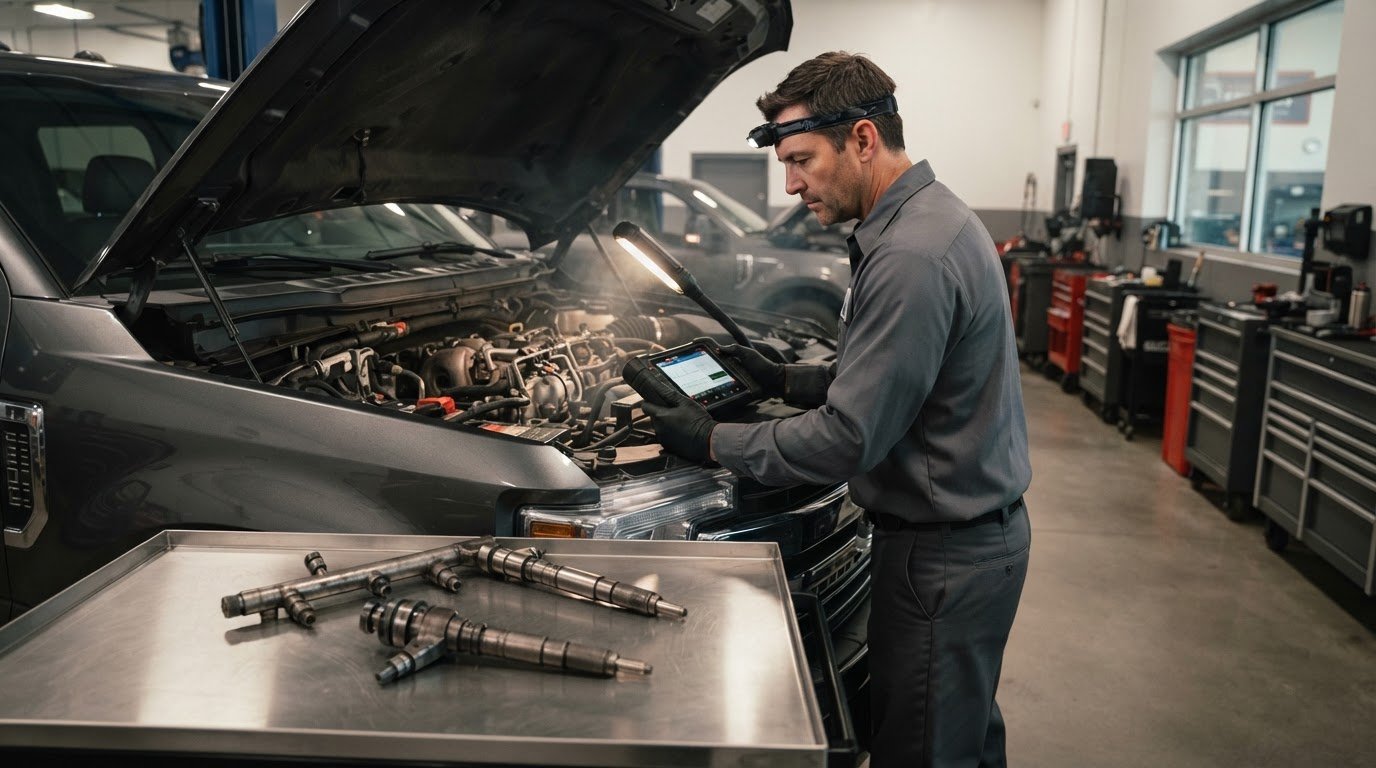
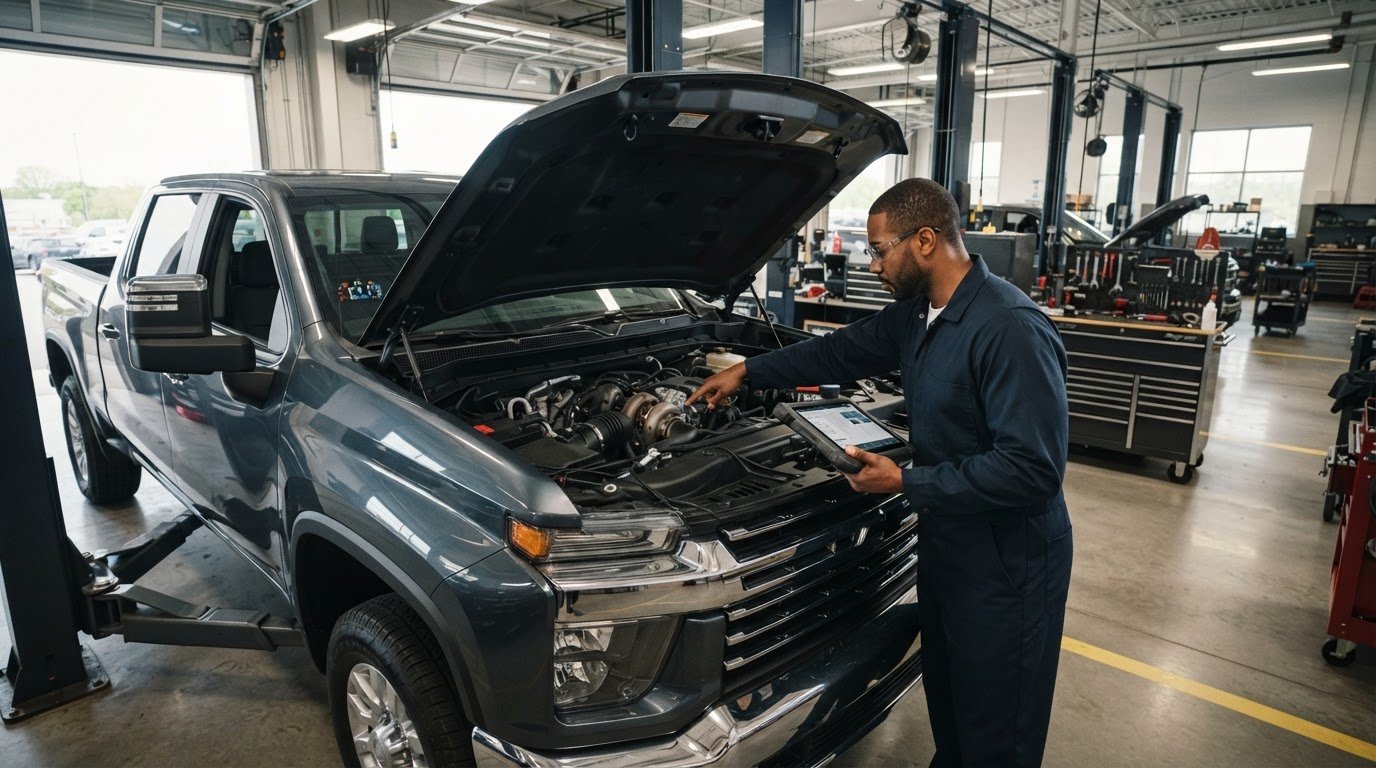
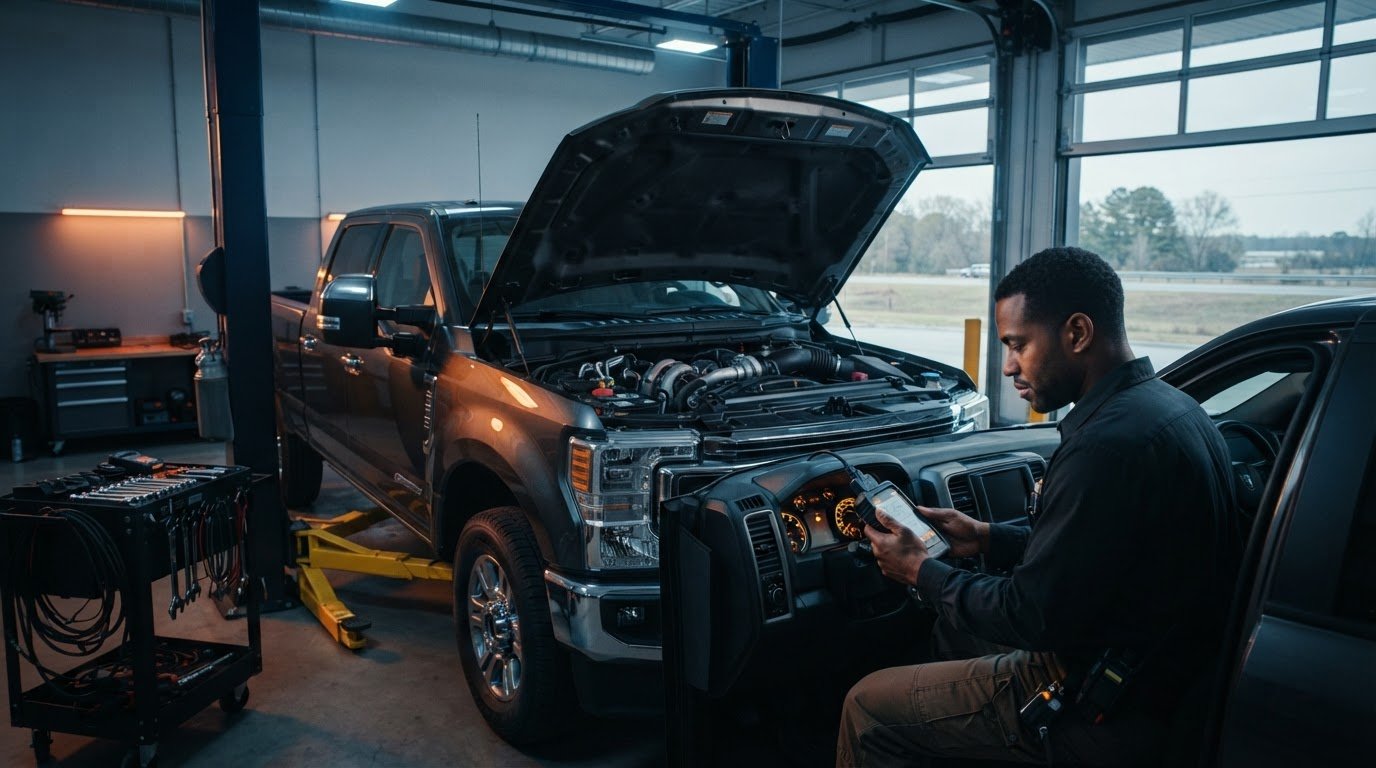
A technician can use suitable diagnostic equipment to read fault information stored in the ABS system. The results may point toward a wheel-speed sensor circuit, a wiring concern, or another condition. That gives the inspection a direction, but the code alone doesn’t confirm which component, if any, has failed.
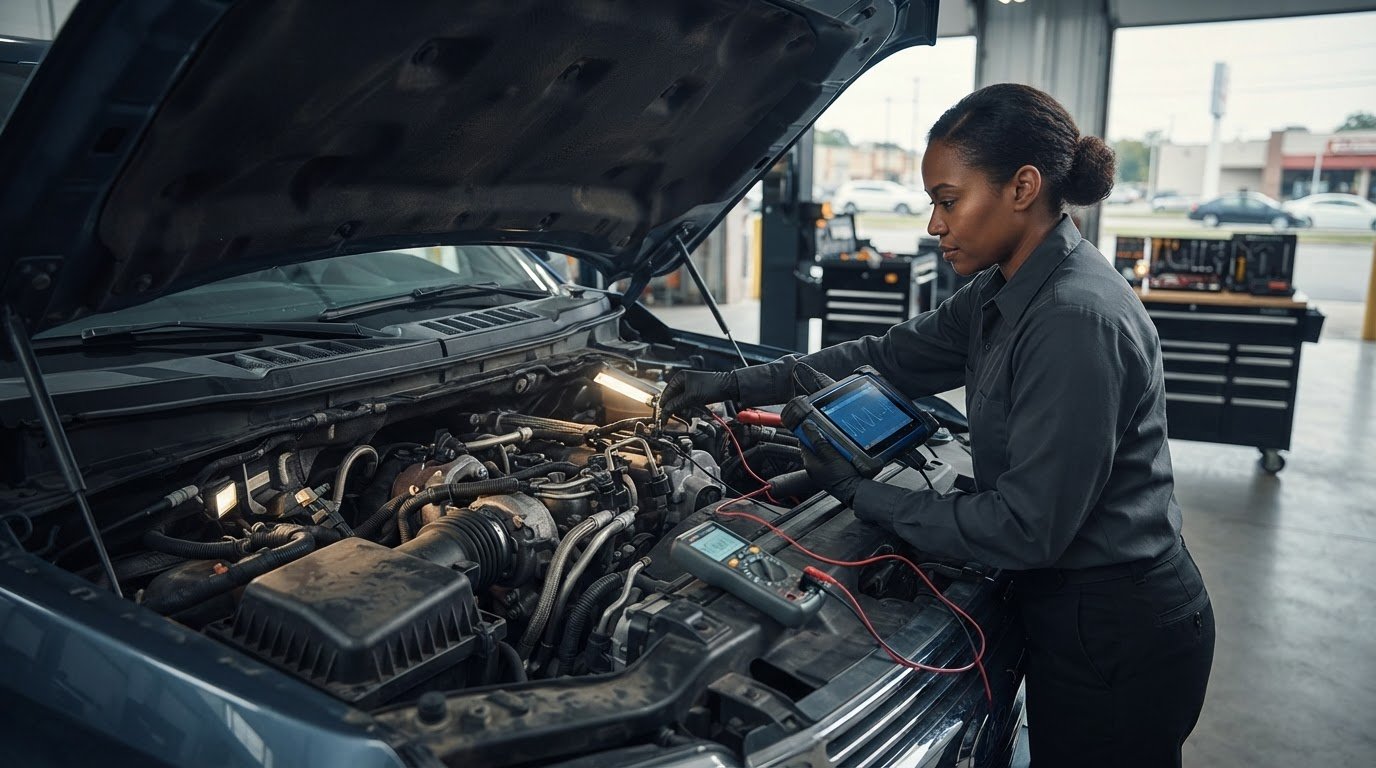
A warning code guides testing, but it doesn’t automatically identify the replacement part. To investigate what the code is reporting, a technician may examine power and connections, inspect wiring for damage, compare sensor signals, and look over related components for visible problems. For example, a code associated with a wheel signal may lead to checks of the sensor and its wiring before a repair is chosen.
This is why understanding “what does anti lock brake light mean” requires more than reading the dashboard. The indicator reports a detected concern, while diagnostics help distinguish between possible causes that can produce similar warnings. Vehicle-specific information and the way the vehicle behaves are part of that assessment.
Repairing the confirmed fault
Once testing points to a confirmed cause, the repair can be based on those findings and the vehicle’s requirements. Depending on the results, the work may involve a connection, wiring, a sensor, or another ABS-related component. After the repair, a technician can check the warning-light status and assess whether further diagnosis is needed.
On Top Diesel & Automotive provides brake repair and vehicle diagnostics for passenger vehicles and trucks. Its ASE-certified technicians use diagnostic findings to guide repair recommendations, rather than treating a warning code as proof that a particular part needs replacing. If the ABS light remains on, schedule professional brake diagnostics to have the system checked and the next steps explained.
Take the Next Step Toward Confident Braking
Knowing what does anti lock brake light mean can help you respond calmly: the warning usually points to an ABS fault, not necessarily a failure of your standard brakes. Still, you may not have anti-lock support during a hard stop, so don’t rely on ABS until the system has been checked. If a red brake warning appears, the pedal feels different, or braking performance changes, pull over somewhere safe.
When the ABS light stays on, your owner’s manual can explain your vehicle’s warning behavior, and professional diagnostics can help identify the cause before any repair is recommended. The warning light alone doesn’t tell you which part needs attention.
On Top Diesel & Automotive provides brake repair and vehicle diagnostic services for passenger vehicles and trucks. Its ASE-certified technicians can assess the warning and explain the next steps. Schedule professional brake diagnostics to get a clearer picture of what’s happening. With the right information, you can make a practical plan and move forward with greater peace of mind.
Frequently Asked Questions
What does it mean if the ABS light stays on?
A steady ABS light usually means the vehicle has detected a fault, and anti-lock braking may not work as designed. If you’re asking what does anti lock brake light mean, it doesn’t automatically mean your regular brakes have failed. Check your owner’s manual for vehicle-specific guidance, and pay attention to the brake pedal and any other warning lights. Arrange diagnostics to find the cause rather than guessing which part needs repair.
Can I drive with the anti-lock brake light on?
Whether you can continue depends on how the vehicle brakes and what other warnings appear. If only the ABS light is on and braking feels normal, the conventional brakes may still work, but anti-lock support may be unavailable. Check your owner’s manual, drive cautiously, and arrange diagnosis. Pull over safely and seek assistance if braking changes, a red brake warning appears, or you notice a fluid leak.
Does the ABS light mean my brakes have failed?
No, the ABS light alone doesn’t confirm that your regular brakes have failed. It points to a possible fault in the anti-lock system, which may not provide support to help prevent wheel lockup during hard braking. Other problems can appear at the same time, so consider the full picture. If the red brake warning is on, the pedal feels unusual, or stopping takes longer, stop safely and seek help.
Why does the ABS light come on and then go off?
Many vehicles briefly illuminate dashboard indicators during a startup check, then turn them off if the check completes normally. The exact light sequence depends on the vehicle, so consult its owner’s manual. If the ABS light comes back while driving or stays on after startup, the system may have stored a fault. Have it checked rather than assuming the brief shutoff means the system is working properly.
Can a bad wheel-speed sensor turn on the ABS light?
Yes, a wheel-speed sensor or its wiring can be one possible cause of an ABS warning. But similar warnings can result from other faults, so the light doesn’t identify a failed part by itself. A technician can read ABS-specific diagnostic information and test the relevant circuit, including its connections, before recommending repairs. This helps distinguish a sensor issue from a wiring problem or another system concern.
What should I do if the ABS and red brake lights are both on?
Treat both warnings together as a serious reason to check your vehicle’s braking condition. If the pedal feels different, sinks, or stopping performance is reduced, pull over safely and arrange assistance rather than continuing to drive. Consult your owner’s manual for vehicle-specific guidance. Don’t assume the vehicle is safe to continue based only on the dashboard lights, especially if braking feels impaired or you notice a leak.
Will an ABS warning light turn off by itself?
The light may go off if a temporary condition clears, but that doesn’t confirm the ABS is functioning properly. A fault may remain stored, or the warning may return when the issue happens again. Follow your owner’s manual and arrange diagnostics if the light stays on or comes back. Don’t rely on a reset or a brief disappearance of the warning instead of finding out what caused it.